
A multitude of individuals, ranging from chauffeurs to physicians, operate on shift schedules. Some begin their daybreak duties quite early in the morning, whereas others kick off in the afternoon. There are also those who take up the mantle during late hours when most are fast asleep.
Working during the nighttime can be especially tough on the body as it contradicts our innate biological patterns. What strategies can someone use to adapt to this schedule?
Experts offer some useful tips.
Are you looking for insights into the most significant issues and developments globally? Find your answers here. SCMP Knowledge Our latest platform features handpicked content including explainers, FAQs, analyses, and infographics, all presented by our prize-winning crew.
What impact do shifting and nighttime shifts have on our bodies?
A lot of our physiological processes come to a halt during nighttime. Our body heat decreases and our heartbeat, digestion, as well as respiration decelerate.
Your body craves rest and relaxation, hence working against this can be challenging. circadian rhythm "Greater efforts are often linked to (the body's inherent 24-hour rhythm)," states Frank Brenscheidt from Germany's Federal Institute for Occupational Safety and Health.

Daytime naps do not have the same rejuvenating effects as nighttime sleep. You can adapt somewhat to working nights, but your body remains partly resistant to complete adjustment, according to him.
Operating out of sync with your inherent cycle might significantly affect your well-being.
There is a higher chance of facing type 2 diabetes , cardiovascular disease ", including ischemic strokes, mental illnesses, and miscarriages,” explains Andrea Rodenbeck, a chronobiologist—specializing in the body’s internal clocks—and sleep researcher based in Germany.
The International Agency for Research on Cancer at the World Health Organization determined in their 2019 assessment that night shifts may have carcinogenic properties, indicating they could lead to cancer.
Unfavorable habits linked to shift work might play a role in this - consuming alcohol alcohol That you think assists you in unwinding more effectively post-work, or quickly consuming unhealthy snacks. Your social life frequently takes a hit as well, and your mental health might also be affected.

What impact does nighttime work have on individuals' sleep patterns?
Generally, there isn’t a notable variation in sleep length within a three-shift system," explains sleep researcher Rodenbeck. "However, considerable disparities can be observed among different shifts.
Following a night shift, numerous workers typically manage to grab fewer than six hours of shut-eye. Moreover, disruptions in sleep-related respiratory patterns tend to occur more often post-night shifts.
Who is appropriate for shift work and who isn’t?
A person’s capability to adjust to shift work largely hinges on their body's natural rhythm. Individuals with an “owl” chronotype, who tend to be more energetic during late hours, generally find nighttime shifts less challenging.
On the contrary, 'Larks' — individuals who rise early and usually tire early — face more challenges.
Age is also a factor.
"Young individuals have a more delayed internal body clock, making them adapt better to evening and night shifts compared to older people who adjust more easily to morning shifts," explains Rodenbeck.
According to Brenscheidt, people’s capacity to adjust to shifting schedules tends to decline as they get older. Studies involving police officers have demonstrated this phenomenon; these individuals begin their careers in excellent shape physically, yet after two decades, many experience significant health issues.
How ought shift rosters be structured?
The guidelines clearly outline how to schedule rotating shifts effectively. Shifts that progress from morning to evening and then to night are easier to manage compared to the opposite sequence, according to Brenscheidt. Additionally, he notes that night shifts ought not to exceed eight hours in duration.
Consistent timetables are essential. He emphasizes, "Vacation should genuinely be a break from work."
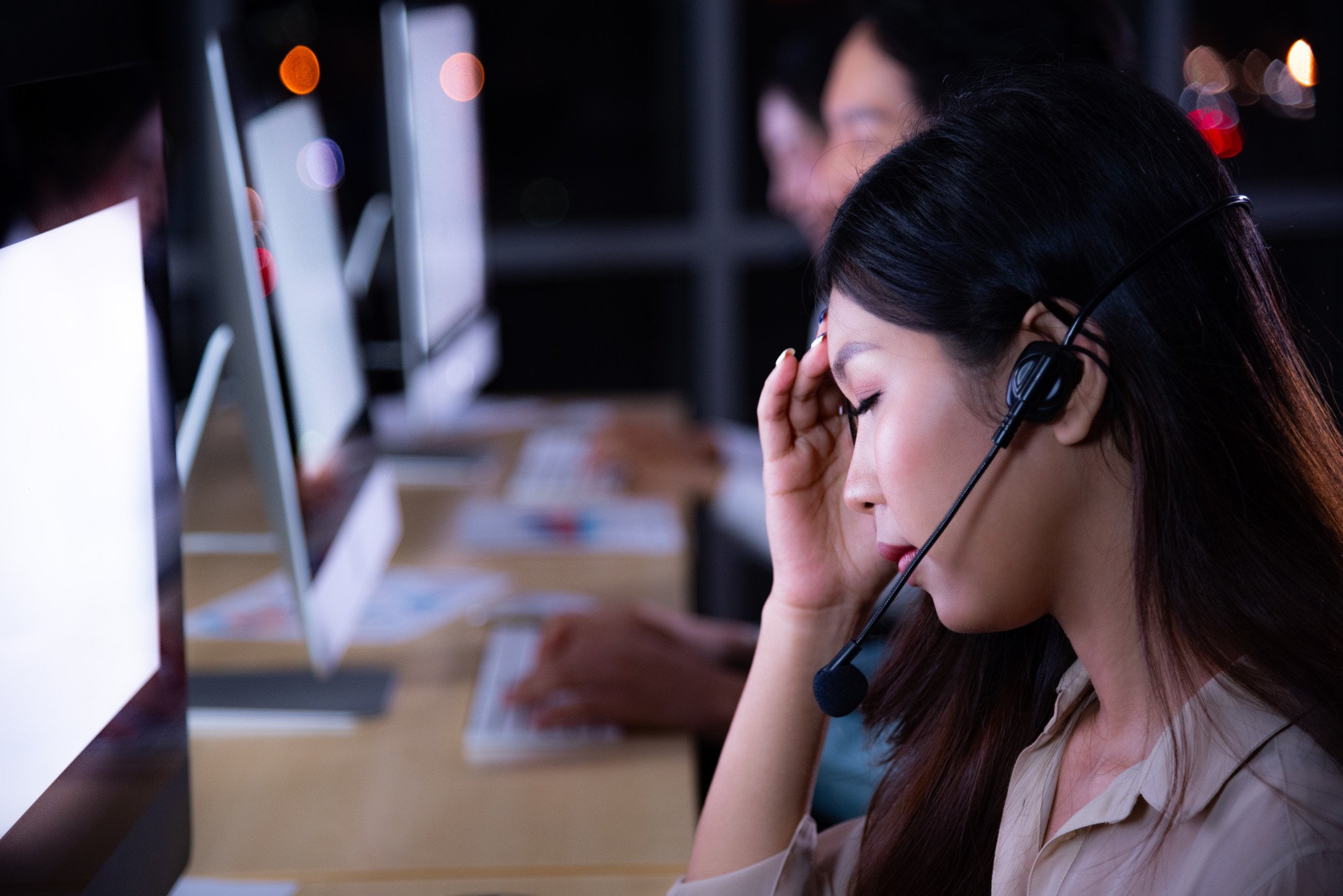
Additionally, every transition period ought to be brief, ideally not more than a couple of days, with consecutive night shifts limited to just two nights rather than an entire week. This makes it easier to readjust to a new schedule, as stated by Brenscheidt.
Reducing working hours can make shift work more manageable. "Ideally, those doing shift work should not exceed 40 hours per week."
What strategies can be used to manage fluctuating work schedules?
Shift workers encounter a dual challenge: their work schedule is more demanding, and they must exhibit greater discipline to maintain good health.
Giving importance to good sleep habits is key," states Brenscheidt. "In conjunction with your shift planning, it’s advisable to establish a sleeping routine.
Following a night shift, you shouldn’t schedule anything for the next day; instead, focus on getting some rest. Napping in the afternoon prior to your shift might aid in staving off fatigue when you’re working.

Nutrition plays a crucial role. Consuming food late at night can disrupt your digestive process and metabolic rate since these systems typically wind down for rest. Hence, it’s advisable to avoid burdening your stomach and bowels with hefty dinners.
The German Nutrition Society suggests having a well-balanced meal for dinner prior to starting your night shift. Additionally, they recommend opting for lighter bites like vegetable soup, sandwiches, or wraps during break times at work.
Whenever feasible, consume your meals before midnight and subsequently at the conclusion of your work shift. Steer clear of alcoholic beverages and nicotine products.
Shift workers should be mindful of their social rhythms since family and friends typically follow a very different schedule. Intentionally scheduling shared activities can make a difference. Also, keep this in mind. hobbies - Brenscheidt cites sport which can also alleviate stress.
Enjoying your reading? Follow SCMP Lifestyle! Facebook , X and Instagram . You can additionally subscribe to our electronic newsletter here .
More Articles from SCMP
Deliveroo delivery personnel plan to pursue legal avenues for compensation following the company’s withdrawal from Hong Kong
US shoppers brace for impact as tariffs reinforce China’s lead in manufacturing
SCMP Top Picks: Gamblers aiming to depart Happy Valley with a royal fortune
Tram fares in Hong Kong will increase starting May 12, with adult tickets going up by 10%.
The article initially appeared on the South China Morning Post (www.scmp.com), which is the premier source of news covering China and Asia.
Copyright © 2025. South ChinaMorning Post Publishers Ltd. All rights reserved.