
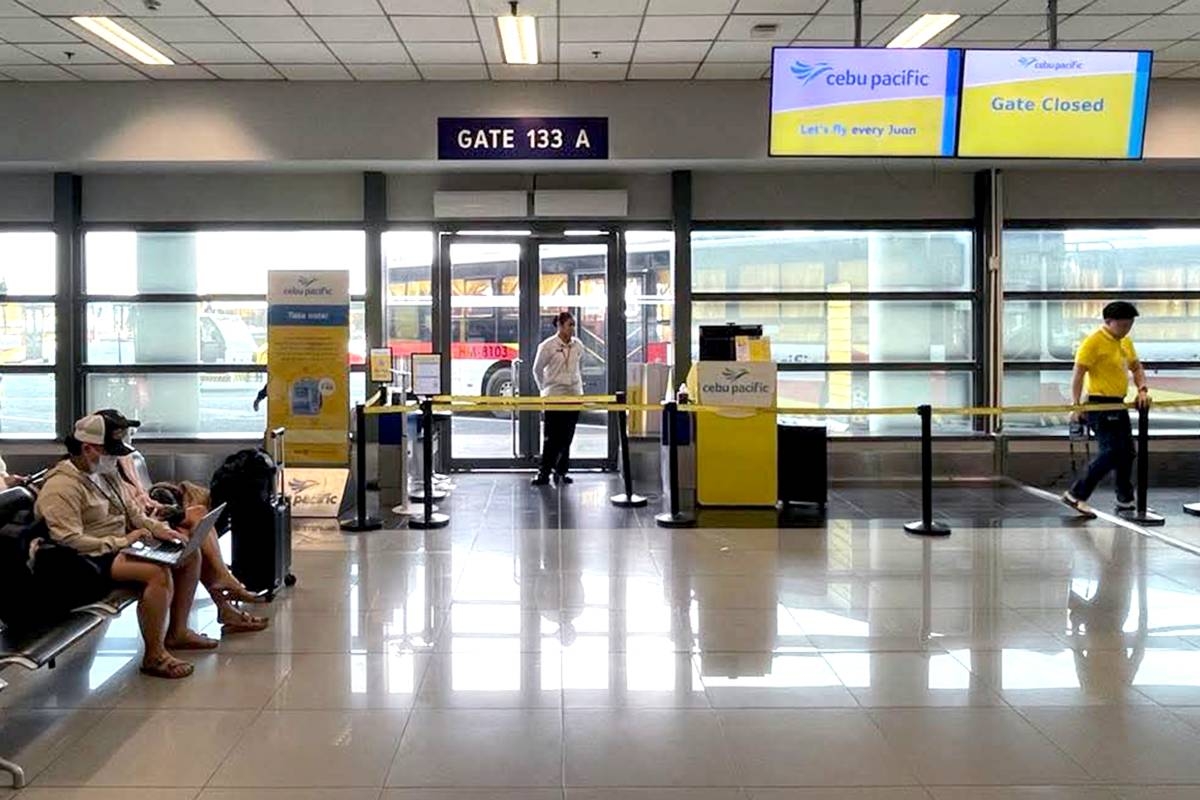
Traveling through the skies over the Philippines can be thrilling. Regardless of whether you're embarking on a short trip for some relaxation, returning to your hometown, or taking a business flight to a different metropolis, boarding an airplane ought to be the simpler aspect of your journey.
However, all too frequently, travelers end up grappling with unexpected delays at the last minute, bewildering check-in processes, canceled flights, or even finding out they’ve been involuntarily removed from a trip they had previously paid for and booked.
This is precisely when the Air Passenger Bill of Rights becomes relevant. Created by the Civil Aeronautics Board (CAB) with backing from the Department of Transportation (DOTr) and the Department of Trade and Industry (DTI), this file details the duties of airlines as well as the rights of travelers throughout all stages of their journey. This isn’t merely documentation; it’s an essential resource that could significantly reduce your frustration, conserve your time, and potentially cut costs too.
A key right for all passengers is having full transparency about their journey details prior to making a reservation. Airlines must disclose the punctuality records of the routes they serve. Consequently, when selecting your flight, you ought to have access to data indicating whether the selected route typically adheres to its departure and arrival times. This regulation holds true regardless of how or where you make your booking—be it via an agency, online platform, or at the airport itself.
Regarding the process of checking in, the guidelines are quite straightforward. For international flights, counter services must begin operating at least three hours prior to the planned takeoff time. In contrast, for less busy domestic airports, this window narrows down to just one hour beforehand. Should you find yourself within the check-in zone an hour ahead of your flight’s departure, under normal circumstances, you shouldn’t face penalties such as being labeled tardy or a non-attendee. Regardless of whether you’ve completed your web-based registration or used a smartphone application, make sure you’re actually present in the specified location—three hours early for overseas travel and 45 minutes earlier for internal routes—to ensure all necessary procedures can conclude smoothly.
Significant consideration is provided for passengers who might require additional support. This includes senior citizens, individuals with disabilities (PWDs), and those needing aid during travel. These groups should receive preference when checking in as well as boarding. Additionally, they have the right to bring along an attendant; moreover, instances where companions such as relatives or assistants accompany them permit allowing more than just one person. The aim is to ensure nobody faces difficulties alone at the airport.
Let’s discuss one of the most irritating situations flyers face: being informed that there's insufficient room on your flight despite having completed check-in procedures. Typically, this issue arises because of overbooking—a common practice among various airlines. Although it may seem unjustified or haphazard, overbooking isn’t against the law nor does it occur randomly; rather, it has been a longstanding business tactic employed for several decades.
Airlines oversell flights because they understand that generally, a certain number of travelers do not end up boarding their planes. Passengers can fail to make it onto a flight due to various factors such as sudden emergencies, booking two flights accidentally, neglecting necessary travel papers, or altering their travel schedules at short notice. According to industry statistics, the rate of people who do not board a plane usually ranges from about 5% to 15%, varying based on different routes and seasons. In order to prevent having vacant spots during flights—since these unoccupied places result in losses—they offer more reservations than available seats, counting on balancing things out overall. Usually, this strategy works well enough.
However, when an excessive number of individuals turn up, one person must yield their seat.
Here, airlines must initially seek volunteers—passengers ready to surrender their seats in return for benefits such as travel credits, upgraded seating, or special treatment on subsequent flights. This procedure is referred to as an auction process, and carriers have to thoroughly inform individuals about how it works before those people choose not to board. Should there be insufficient volunteers, airlines may start refusing passage; however, this step comes only after adhering strictly to a prioritization sequence. At the beginning of this hierarchy are travelers accompanied by infants, older adults with escorts, passengers heading to medical visits, along with persons having connections to catch.
If you’re involuntarily bumped from a flight, you have certain rights: you can get a complete reimbursement, be rescheduled on the following available departure, or transferred to another carrier—all without extra charges. Additionally, the airline has to compensate you; PHP 5,000 for flights within the country and PHP 10,000 for those going overseas. Should the delay make you spend an unplanned night out, they also must cover your accommodation, transportation expenses, as well as provide access to airport lounges when possible.
Cancellations and delays pose significant issues for travelers, yet the law also provides safeguards against these problems. Should a flight be canceled over seven days prior to departure, you can choose either a refund or rescheduling at no additional cost. In cases where cancellations occur less than seven days before your scheduled flight—assuming they aren’t due to uncontrollable circumstances such as severe weather or emergencies—the identical rules apply, ensuring you won’t face any extra charges or fare adjustments.
If the cancellation happens less than 24 hours before your departure and you're already at the airport, the airline must go the extra mile. They are required to provide you with free meals or meal vouchers, access to communication like phone calls or internet, and if needed, transportation and hotel accommodations for the night.
In case of delays, the regulations vary depending on the duration. Should your wait exceed two hours, the airline has to offer meals along with means for contacting others. For hold-ups lasting four hours or more, you can choose to handle it like a canceled trip and request either a reimbursement or rescheduling. Additionally, if you find yourself trapped onboard an aircraft sitting on the runway for at least three hours, the carrier must supply drinking water, refreshments, functional restrooms, adequate ventilation, and necessary medical help. In situations where boarding remains impossible despite extended waits, travelers ought to be permitted off the plane except when safety concerns arise.
If your connecting flight was missed due to a delay caused by the airline, they have to organize transportation for you to reach your ultimate destination at no extra cost. Additionally, if you were moved to a lower-class cabin—such as from business class to economy—you should receive a refund covering the price difference along with an added 50% of that sum as compensation.
Should you believe your rights have been infringed upon at any stage, initiate the process by discussing the matter peacefully with the airline personnel and request a detailed written statement from them. Keep track of all relevant details including boarding passes, invoices, photographs, as well as the identities of the employees involved in your conversation. Should this not resolve the issue, consider lodging an official complaint with the Civil Aeronautics Board. To get support from the CAB Legal Office, dial their number (02) 8852-8967 or send an email to APBR@cab.gov.ph. In cases concerning unjust prices or misleading business tactics, the Department of Trade and Industry (DTI) stands ready to provide aid.
Understanding your rights as a traveler goes beyond improving the quality of service; it’s about ensuring fair treatment during moments when you might feel vulnerable. The Air Passenger Bill of Rights was established to safeguard you—the consumer—not the airline company.