
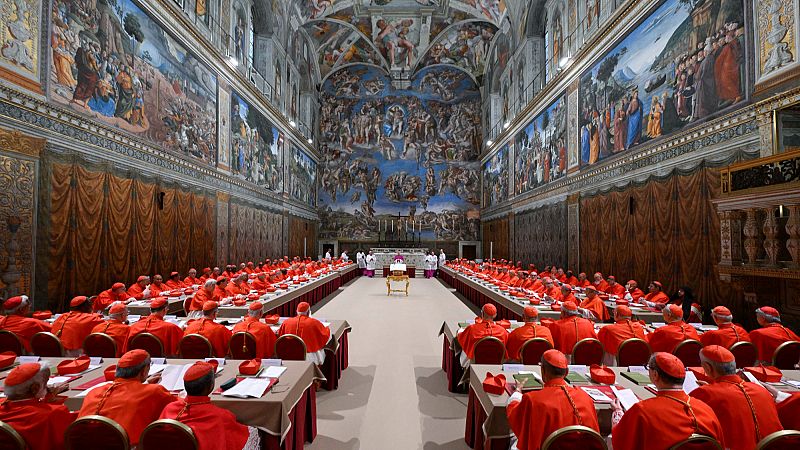
After nine days of mourning following Pope Francis's death on April 21st, 133 cardinals from 70 different nations convened behind closed doors on Wednesday for the conclave aimed at selecting the next head of the Catholic Church.
Isolated from the external world without phone or communication access, this conclave—featuring participants from more geographical regions than at any time in the over-2,000-year span of the Catholic Church’s existence—will adhere to age-old traditions within the confines of the Sistine Chapel to determine the next shepherd for the 1.4 billion believers.
The initial vote, received late Wednesday evening, indicated a negative result as evidenced by the dense plume of black smoke rising over St Peter's Square.
From Thursday, up to two ballots can be held in the morning and two in the afternoon until a winner is found.
While cardinals this week said they expected a short conclave, it will likely take at least a few rounds of voting.
Over the last hundred years, electing a new pope has typically required anywhere from three to eight rounds of voting. In 1978, Pope John Paul I, whose papacy lasted just 33 days, was chosen after the third vote. Following him, Pope John Paul II took eight votes before being selected as his replacement. When Pope Francis became pope in 2013, he was elected on the fifth round of balloting.
Check back with our live blog for updates, analysis, and perspectives provided by Axofajournalists throughout Europe as they covered the events of the first day of the conclave.