
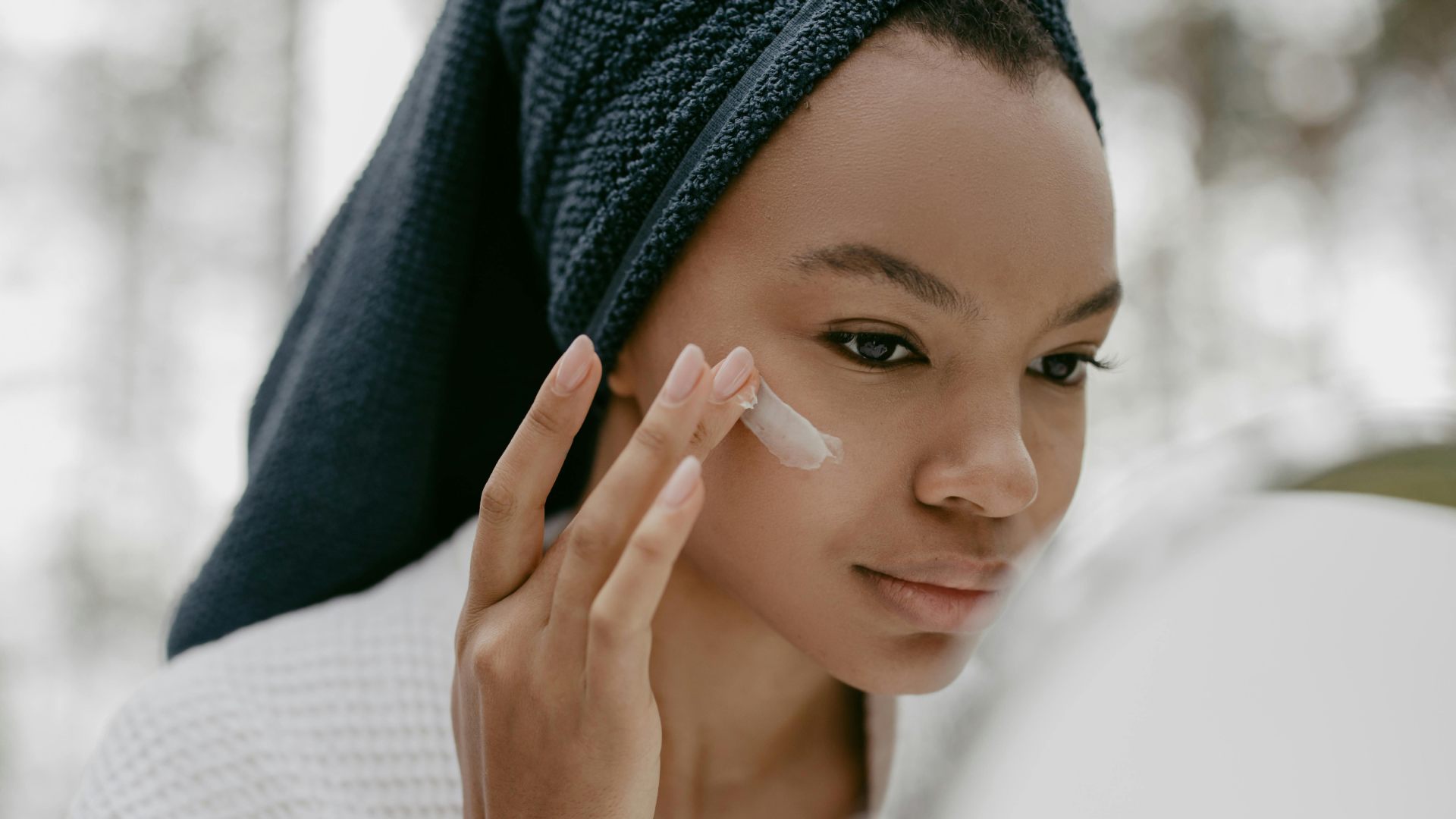
Long reserved for the hushed world of dermatologists, retinol is now emerging as the star active ingredient in at-home facial treatments. What's really behind this hype? Spoiler: much more than an "anti-aging" obsession.
Retinol, a real rockstar of cosmetics
It's hard to ignore. It's making its way into serums, night creams, eye creams... retinol is a bit like the David Bowie of cosmetic active ingredients: it's multifaceted, it's evolving, and it continues to fascinate. Coming from the large family of retinoids (vitamin A derivatives), it acts in a targeted and comprehensive manner. And when we say "complete," we're not kidding.
What exactly does retinol accomplish? It accelerates skin cell turnover, encourages the generation of collagen and elastin, smooths out skin texture, balances skin coloration, diminishes the look of pores, controls oil secretion... Among many others. Furthermore, it can also lessen the visibility of dark spots and acne scars.
In short, if your skin were a Netflix series, retinol would be the genius director who puts everything back in order in the script: more fluidity, more coherence, a little more radiance in key moments.
A powerful asset, but one to be handled with tact
Caution: Just as you wouldn't start hiking on Everest, you shouldn't introduce retinol into your routine without caution. Because yes, it is powerful, and your skin deserves to be listened to and respected. The "peeling" effect, redness, tightness? These are often signs that your skin has been caught off guard.
The secret is gradual introduction. Once or twice a week to start, always in the evening, and above all, never without your best friend: moisturizer. Add sunscreen during the day (obligatory), and you're ready to get the most out of this active ingredient, without experiencing the "sulky skin" phase.
Be confident: these responses are short-term. This period allows your skin to cultivate its retinoid receptors, which act as tiny channels for retinol to function effectively beneath the surface. Think of it as learning a new dance; initially, you might trip over your feet, but soon enough, you'll get into the groove.
Gentler formulas, for all skin types
Here’s another positive update: the realm of skincare keeps advancing. The current version of retinol has come a long way since the intense formulations of the 1990s. Due to recent advancements, we now have access to microencapsulated forms (which are more stable and release slowly over time), gentler consistencies like oils, milk serums, and even capsule formats, as well as products tailored specifically for those with delicate skin. These developments enable you to enjoy the benefits of retinol without compromising your skin barrier.
Moreover, regulations are stepping in: starting November 2025, the European Union plans to cap retinol levels in face creams at 0.3%. This move aims to curb extremes and serves as a reminder that moderation often yields better outcomes.
Green (and impressive) alternatives
In today’s skincare landscape, we have a bountiful smorgasbord where everybody can discover something suitable for their needs. For instance, bakuchiol is becoming increasingly popular. Derived from an Indian plant, this natural substance emulates the benefits of retinol but comes without the adverse reactions.
Other emerging talents include Alfalfa (notably used by Chanel), Fennel (a seaside plant preferred by Melvita), and Nicotiana benthamiana, which has shown remarkable efficacy. This leads to reduced irritation, increased comfort, and commendable performance. Essentially, this represents a fresh approach for skin seeking gentleness.
We love retinol for what it does: softer, smoother, brighter skin. However, it's not a "miracle," and remember that aging isn't a flaw to be corrected. Wrinkles aren't intruders; they're folds of happiness, reflection, and simply life. Turning to retinol is therefore a personal choice, not a standard to follow. Perfect skin doesn't exist.